

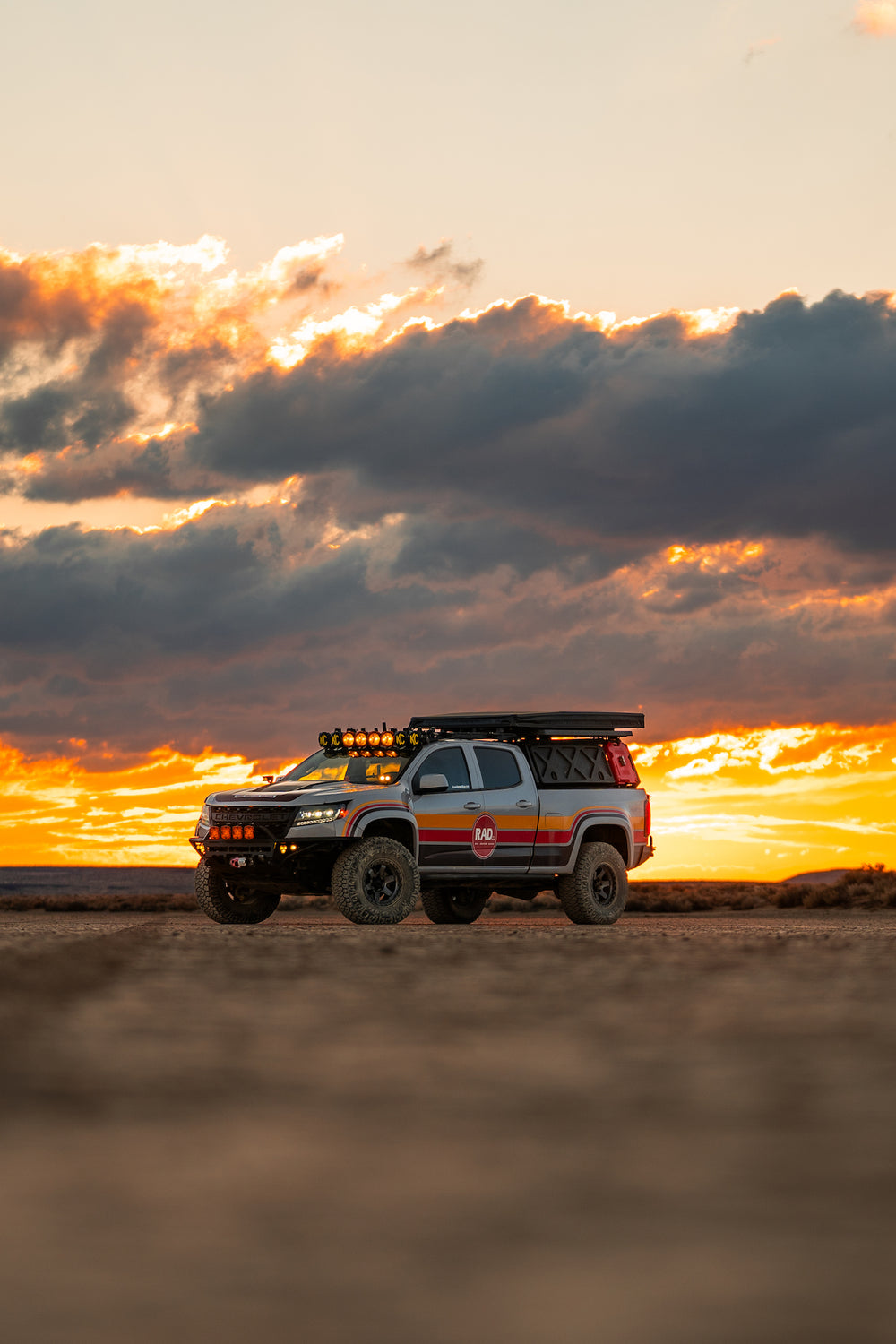
WeBoost Drive Reach Overland: Your Connectivity Lifeline on the Trail
As seasoned overlanders, we all know that venturing into the wild often means leaving behind the comfort of full bars and stable connection. But with the WeBoost Drive Reach Overland, we've been able to maintain reliable communication even in areas where cell service is typically nonexistent.
Why Signal Matters on the Trail
Cell signal in the backcountry isn't just about checking Instagram — it's a genuine safety consideration. Being able to reach emergency services, check weather forecasts, update your trip plan, or simply communicate with your group can make a critical difference in a bad situation. We don't leave home without a signal booster anymore.
What Makes the WeBoost Drive Reach Overland Different
- Maximum legal gain: The highest gain allowed by the FCC for a vehicle booster — pulls in the weakest signals
- Multi-carrier support: Works with all major US carriers simultaneously
- Overland-specific antenna: Designed for roof rack mounting and off-road environments
- Wide band coverage: Supports 5G and LTE bands
- Easy installation: Straightforward setup with magnetic or permanent mount options
Our Experience
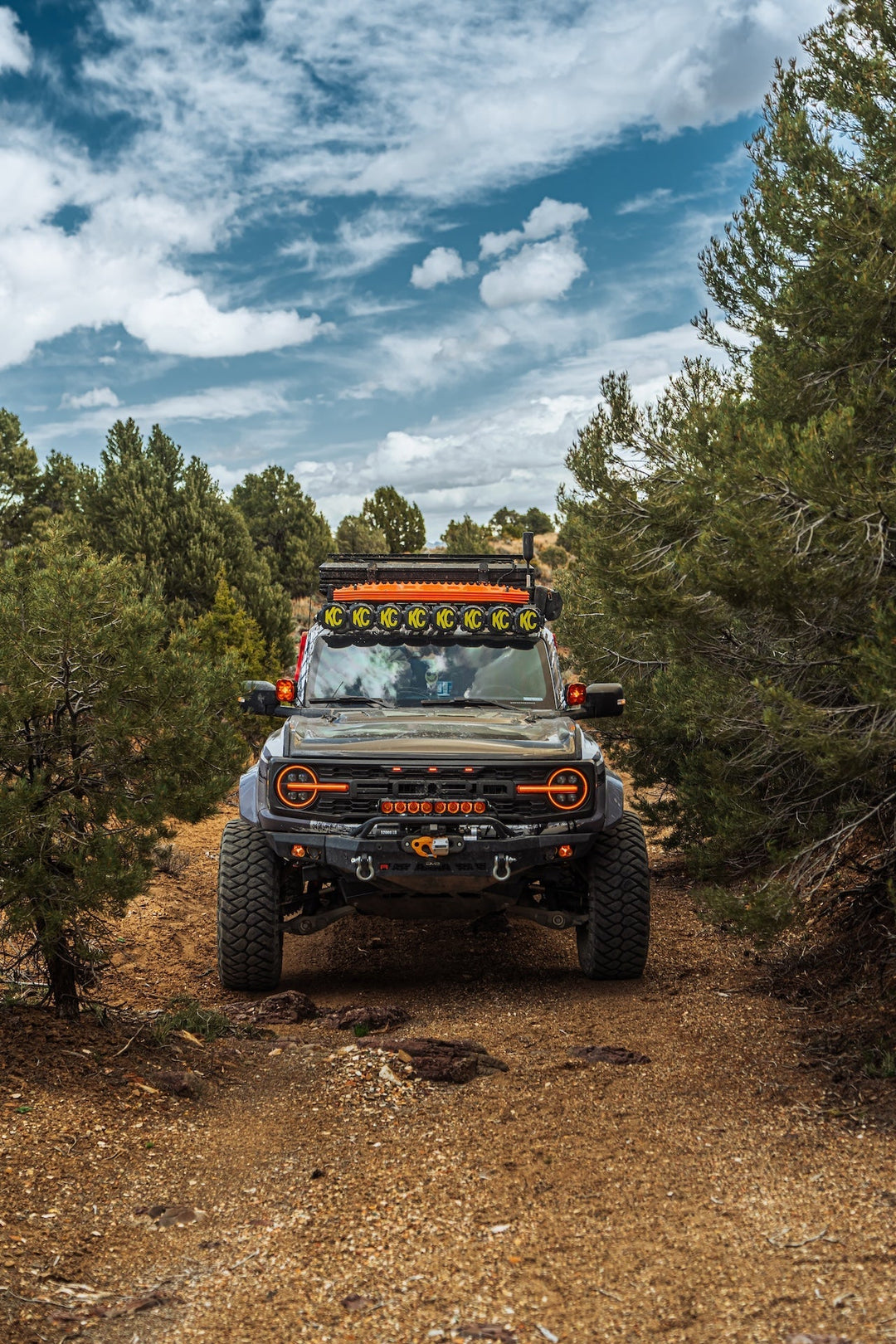
We've run the WeBoost Drive Reach Overland on our Bronco Raptor through some genuinely remote territory — deep canyon country, mountain high routes, and desert areas with zero native signal. In most of these locations, the booster pulled in enough signal to send texts and make calls when completely unassisted we had nothing. In marginal coverage areas, it regularly turned one bar into three or four.
For group travel, the ability to coordinate via cell when radios aren't in play has been invaluable.
Final Verdict
The WeBoost Drive Reach Overland is one of those purchases that you don't fully appreciate until the moment you need it. At that point, it's worth every penny. We consider it non-optional safety gear for any serious backcountry trip.
Leave a comment